It’s Meteorological Spring!
That means customers are officially done (mentally) with winter and are either champing at the bit to get into their gardens or are able to get out into their yards for spring cleanup and maybe some trees and shrubs—or maybe even a whole lot more than that. (What does Ellen do during meteorological spring? I’ve fled brown New England for the tropical beaches of Belize. Don’t be jealous.)
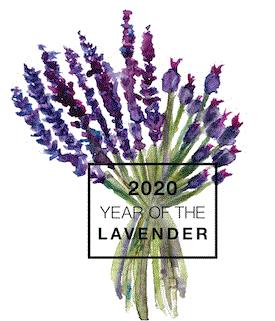
This week’s Buzz will cover a whole bunch of plants—both old and new. Let’s start with two types of plants that the National Garden Bureau is promoting as “Year of” plants. NGB’s perennial “Year of” plant is that beautiful workhorse of the garden, lavender. Said NGB in a press release on the subject, “The ‘Lavender Lifestyle’ is real! Everywhere you look, people are incorporating this multifaceted plant into their daily lives.” Absolutely correct! From the fragrance and texture of soaps to aromatherapeutic oils to culinary uses, lavender is an old standby that is seeing some well-deserved love.
The information that NGB released on lavender (and can be found HERE) includes ideal conditions, DIY information and—most helpful—the main differences between the English, French and Spanish types. Believe me, that’s a burning question for customers (and for me, too, I admit it).
Lantana is NGB’s “Year of” in the annuals category. It’s a good choice, as more and more attention is being given to the travails of bees and other pollinators—lantana can help prop up those populations. Plus it’s super heat and drought tolerant and just so darn pretty in its array of tropical colors. The gardening information NGB provides even explains the non-sterile forms and the need for them in areas where lantana can be an invasive pest.
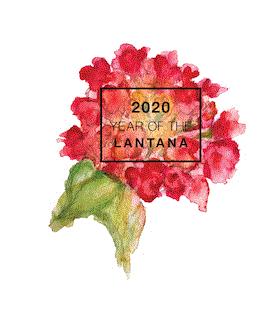
Get all things “Year of”-related from the NGB website, including posters, fact sheets and these beautiful watercolor logos.

Rainbows Are Blooming
Next up is another plant that is in the pollinator favorite category—Echinacea Yellow Rainbow Marcella. Angela Treadwell-Palmer says that the previous Rainbow Marcella is one of Plant Nouveau’s best sellers, and this Yellow selection—new for 2020—is equally as fabulous. And maybe even more so since it has a few more flowers than Rainbow Marcella. Plus it’s yellow with a raspberry pink halo and red velvet cones—a fetching color combination, don’t you think?
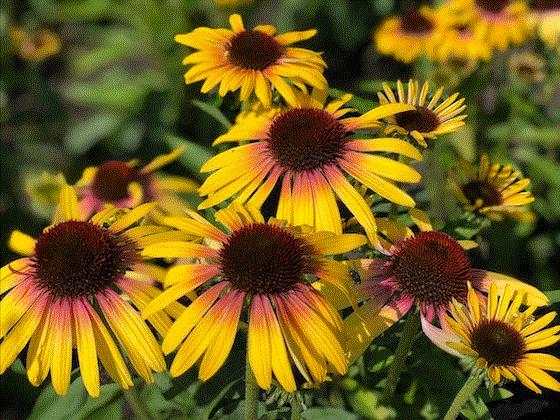
And the yellow doesn’t fade in the harsh sun like other yellow coneflowers. Honest truth. It’s a heavy bloomer, as well, even through that summer heat, just when the pollinators need it the most.
How can you get your hands on some? Find them at Battlefield Farms/Heritage Greenhouse Products, Cooper Creek Growers, Garden World, Pacific Plug & Liner and Walla Walla Nursery.
New Clematis for the U.S.
Let’s stick with perennials for this item. It’s a clematis called Lady Kyoko from Spring Hill Nurseries. It just won a Green Thumb Award for 2020 from the Direct Gardening Association. What about Lady Kyoko made it a winner in the judges’ eyes? For one, it’s a bit more compact than many classic clematis varieties, topping off at about 4-5 feet tall. This height makes it an appropriate container plant or in a flower border with some support.
Lady Kyoko is hardy in Zones 7-9 and grows in full sun and moist, well-drained soils.
Lady Kyoko isn’t actually a new plant. It was bred in Japan in 2009, but it hasn’t been available in the U.S. until now. Welcome to the States, Lady Kyoko!
Pretty and Delicious
I have two other Green Thumb Award winners for 2020 that I’d like to tell you about, and both are edibles.
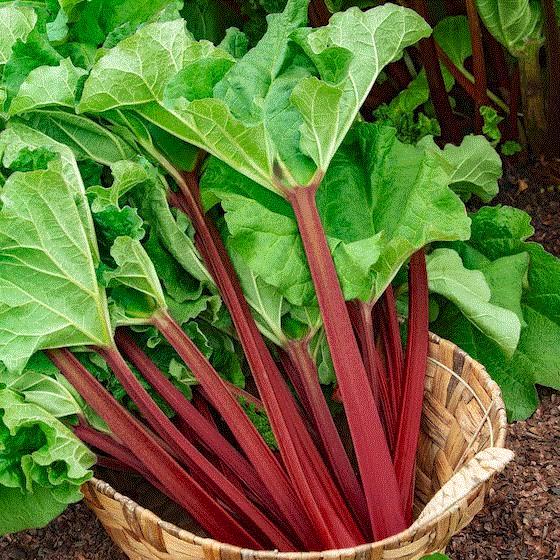
First is KangaRhu rhubarb from Gurney's Seed. The name is awesome, isn’t it? And it alludes to the fact that it has its origins in Australia. The folks at Gurney's went to Australia to find rhubarb genetics that can handle warm summer nights, conditions which often restrict production in other rhubarb varieties. Its stems are super dark red, too. You don’t see truly red rhubarb much anymore. Imagine the sauces and pies and juices! Grows in Zones 4-8.
Then there is the new Treasure Island series of sweet potatoes from Concept Plants. But wait, they’re ornamental, too! Pat Fitzgerald at Fitzgerald Nurseries selected these varieties of delicious and decorative sweet potatoes that were developed from the Louisana State University AgCenter. The above-ground growth for all five varieties is what you’ve come to expect from sweet potato vines—full and cascading foliage in light to dark green and purple to dark purple. But underneath the ground, full-sized sweet potatoes await, also in a range of skin and flesh colors. Some varieties even have leaves you can harvest and use in smoothies, salads and stir fries. Enjoy them decoratively all summer, then enjoy them in your kitchen come fall.
Sweet Potato Tatakoko

Grasses Can Be Cute
I recently received an e-newsletter from Emerald Coast Growers that contained several varieties of a genus I didn’t realize I loved so much. That would be pennisetum. I have a whole line of them (Gah! I forget the variety.) lined up along my sidewalk. And the best thing about them is I rarely need to water them.
Back to Emerald Coast’s varieties. They mentioned three compact varieties that were “so cute, they’re downright aww-some.” Just the right size for smaller homes, townhouses and that sort of application, I’d say.
The three varieties are:
Pennisetum alopecuroides Little Bunny. Just a foot high and loaded with bottlebrush flower heads. Plant en masse in borders, rock gardens or alongside a pond. Zones 6-9.
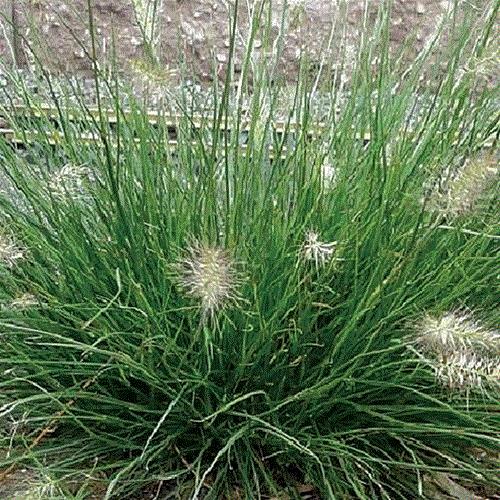
P. alopecuroides Piglet. It’s extremely floriferous and gets a little taller than Little Bunny at 18 inches. Selected in Illinois near Wisconsin, so it can handle some cold. Zones 5-9.
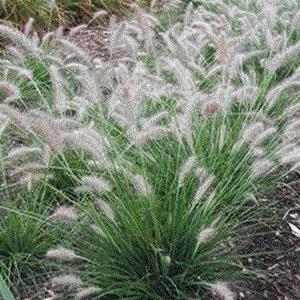
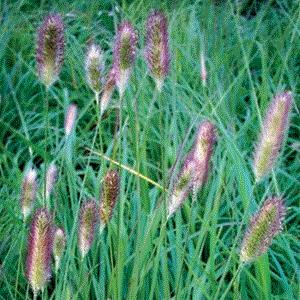
P. messiacum Red Buttons or Red Bunny Tails. This is the tallest of these three short varieties at 18-24 inches. Its foliage starts off green, but then adds some burgundy highlights with fluffy red blooms that mature to a buff white. Not as hardy as the other two, unfortunately—Zones 7-9.

Some Beautiful Bromeliads
I’m noticing a lack of interior plants in this list. I can easily remedy that! I came across a couple of new bromeliad varieties at TPIE back in January. I have four new ones for you.
The first two are from Corn Bak.
Vriesea Happy Yellow—I’m not sure I’ve ever seen such narrow and colorful flowering stalks on a bromeliad!
Aechnea Prontoo—I think a better name would be something to do with fireworks, just look at those interior colors!
These second two are from Bullis Bromeliads.
Hohenbergia castellanosii Variegated
Neoregalia Secret Garden
What I like about bullis is that it provides fun colors without even having to send up a flower stalk. Those leaves are pretty cool and colorful, wouldn’t you agree?
A Colorful Tropical Combo
You know what bums an editor out? When you spot something really cool at a trade show, but you end up engaging with the people at the booth so much you forget to snap a photo! Happened to me at the Aris Horticulture booth as we were talking about their new Tradewinds Hibiscus Cayman Combo.
I neglected to take a photo at the show, but grabbed this photo off their Facebook page—thank you!
The Cayman Combo has four different colorful blooms within it—pink, light blush, orange and red. And since they are all sports of the same plant, they have the same growth and thus a uniform habit. And while growers might like that aspect of it, I’ll guarantee that consumers will be overjoyed with the way all the colors look like a bowl of candy. Use it in a container or even in the landscape.
Finally ...
Okay, so it’s not a new plant … but doesn’t this look really cool?
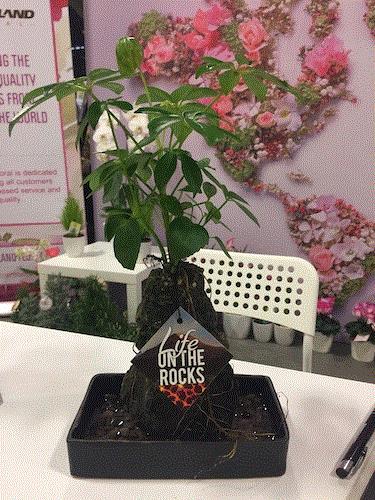
It’s called Life on the Rocks and it’s a schefflera growing in a chunk of lava rock—from the folks at Northland Floral.
Comments, questions, suggestions? Send 'em to ewells@ballpublishing.com.

Ellen Wells
Editor-at-Large
Green Profit
This week's BuZZ! was sent to 19,772 loyal readers!
If you're interested in advertising on BuZZ! contact Kim Brown ASAP!