Top 5 from 2025
I thought it would be interesting to comb through all 52 weeks of 2025 Tech On Demands and find common threads and “most-covered” topics from the year we just completed. This also provides insight into some of the issues most impacting our industry and what might be trending in the minds of greenhouse professionals.
I try to include timely and relevant content each week, and Nick Flax literally pulls topics from his calls with growers—so hopefully the newsletter is hitting the mark. Of course, I do mention a lot of the videos, podcasts and articles we create and those also tend to reflect industry chatter and subjects of interest or concern.
Below are the five topics that rose to the top. For full disclosure, I did use my Ball internally gated Copilot AI chatbot to scan all 52 weeks of newsletter Word documents and pick out some threads. I did not, however, search outside of my own folders and assets. My views on using AI for content creation are a different topic for a different day—let’s just say I’m old school and have a sense of “journalistic integrity” that often clashes with the current Wild West approach to AI-generated media. I do, however, love AI for saving time editing videos, finding new banana bread recipes and creating memes.

Topic 1: Plant Health & Disease Management
This was far and away the #1 topic covered in this newsletter in 2025. That wasn’t a surprise considering the main goal of Tech On Demand is helping you produce your best crops ever. Some of the more common specific pests and diseases mentioned included disease identification and control (Alternaria, Anthracnose, Cercospora, Botrytis, Xanthomonas, Pythium, rust …) I wrote a lot about managing disease on “at-risk crops” like impatiens, peppers, pansies, hostas and more.
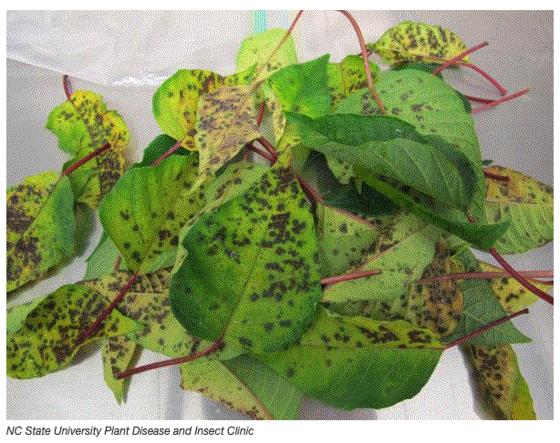
Disease pressure on garden mums was a particularly hot topic in 2025, with the warmer-than-normal weather leading to calls about crop issues, and I feel like we covered garden mum challenges for weeks and saw posts almost daily in the Greenhouse Tech Team Facebook group from growers dealing with mum problems.
Going right along with this thread of disease control and prevention was the importance of good sanitation protocols and strategies to mitigate risk. Across many articles I wrote during 2025, it became almost automatic to include reminders to “break the green bridge” between crops and seasons because staying clean is all about starting that way. I can’t even count the number of times one of my podcast guests or tech team contributors used that phrase or a derivative—I’m sure AI could but I wouldn’t trust the answer. Expect to hear it about 100 more times in 2026.

Topic 2: Nick’s Tips of the Year
Just about every week in 2025 (and 2024 and 2023 and … ), my coworker and buddy Nick Flax sent me a tech tip to share in the newsletter—which is no doubt why this “topic” rose toward the top of the list. Some weeks, he looked back at past years’ tips and refreshed them to share again (because that’s the reality of our industry—the same problems arise year to year). A few times, one of the other Ball Seed technical services guys covered the weekly tip, but for the most part, Nick is on weekly tip duty. For that, I truly appreciate him and I know you do, too. He covers a wide range of topics with an emphasis on prevention and rapid course correction.
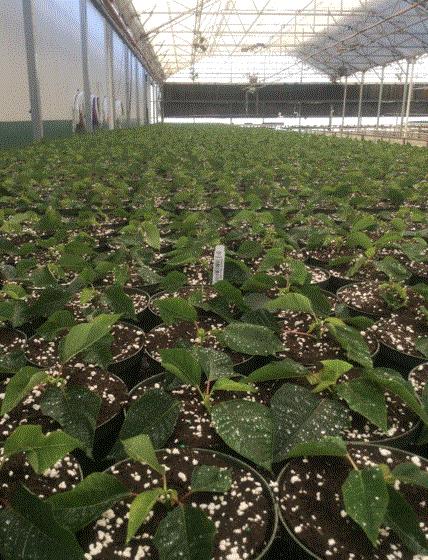
Here’s a quick summary of just a few of the topics he discussed over the past 12 months:
Early spring tips tackled downy mildew vigilance, the importance of identifying mottling and chlorosis early, scouting systematically and remembering that once whitish/gray spore clusters appear, the window for easy intervention may have closed. Nick talked about pathogen diversity, how quickly your crops can get hit and the disease can spread, and protocols for prevention and control to avoid costly losses.
Nick also shares information on phytotoxicity, explaining what can drive injury to crops—like applications on drought‑stressed tissue—and offered recovery strategies, including removal of necrotic material, resetting canopies with soft pinches when damage nears 25%, and being patient because recovery might take multiple weeks. Nick’s approach to challenges like this always takes into account the importance of correct diagnosis but with realistic economic decision points. He knows the realities of greenhouse businesses … and that’s one of the reasons we love the guy!
Multiple installments of Nick’s Tip of the Week focused on water quality and fertilizer management. The article miniseries translated lab concepts and science into grower-friendly practices. He also covered a bunch of seasonal, crop-specific topics that were timely and specific to issues growers were dealing with in the moment.
His early‑season crown budding content was super-helpful and probably saved a bunch of mum crops—I know of a few growers who reached out with appreciation. He explained how cool nights can negatively impact mums, with advice to adjust spacing, feeding and carefully manage crops to keep schedules on track.
His fall tips demystified poinsettia “crud”—lesions that mimic pathogens but are abiotic—helping growers avoid misdiagnosis and inappropriate fungicide application. This was just one example of how Nick approaches symptom diagnosis, while always advocating for sending samples off to pathology labs. He works closely with the lab at Ball, which keeps him in the loop when issues are trending so he can share the timeliest info in this newsletter.
In 2026, you can expect much of the same from Nick: informed content based on what he sees and hears from your professional peers, always framed around the importance of correct diagnosis and use of data to take quick action and make adjustments to keep crops on track.

Topic 3: Biosolutions & Integrated Pest Management
Biosolutions are without a doubt one of the most significant developments in our industry, and in Week 44, I wrote that the use of bio‑based products as an increasingly critical component of integrated pest management (IPM) programs is all about aiming to minimize the environmental impact of traditional pesticides and fungicides, reduce the risk of resistance and keep your team safe—and I stand by that statement.
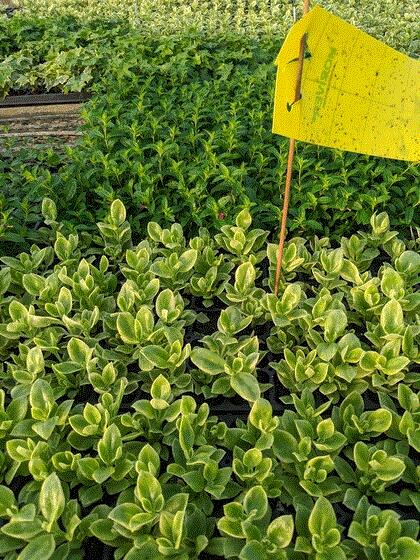
I was really grateful that the team of experts at Koppert sponsored a monthly section in my newsletter and sent 12 super-timely articles covering a range of topics related to bio-IPM. Koppert Corner added a lot to Tech On Demand tackling biosolutions for specific pests, specific crops and production stages, boosting overall plant health and strength, scouting, and integrating bios with traditional crop protection.
I also referenced the GrowerTalks Biosolutions Guide (now in its 3rd edition) many times last year because I truly believe it’s the industry’s leading resource for bio-IPM and strategies that work in real-world greenhouse situations. Each edition includes articles from experts, bioinsecticide and biofungicide charts updated with the latest trialed and tested products, and looks into what the future of bios might hold.
Overall, I think the cumulative coverage of biosolutions in Tech On Demand has been integrative—because best results seem to be achieved when biosolutions are not standalone but woven into your overall IPM framework. That means starting with sanitation and monitoring, making careful product selection with trusted partners, applying correctly, and being hyper-aware of resistance. In 2026, we’ll continue to share content that helps you keep your pest management toolbox full and effective.

Topic 4: Sustainability in Horticulture
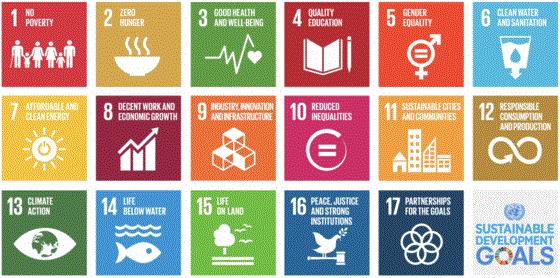
In the Week 43 newsletter, I wrote about a video podcast I recorded with Susannah Ball and Seth Reed. Our conversation broke down how a 120‑year‑old global company (Ball) “focuses on people, community and the planet—from aligning with the United Nations Sustainable Development Goals to empowering the launch of impactful initiatives at Ball companies around the world.” In the episode, you heard how teamwork drives innovation, how smart sustainability can lead to resilience, and why Ball chose this moment to release its 2025 sustainability report titled Sowing Sustainability. In the podcast and my recap, sustainability was positioned as practical, future‑focused effort, no matter if you manage a greenhouse or garden center, lead a team or just want to make your business more future‑focused.
The message in the podcast was consistent with another episode we recorded at Ball Seed Customer Days that I titled “Hort 2.0—The Future of Our Industry,” focusing on ways to innovate for the future of greenhouse production—including post‑pandemic growth vs. new realities, labor vs. labor retention, and production vs. automation. In 2025, I also included dozens of articles covering biological IPM for just about every production season, sustainable growing media trends and even eco-friendly containers and information about upcoming laws being considered to drastically reduce plastic use.
All in all, I think it’s safe to say that thinking and acting sustainably is a major trend in our industry, and new (and existing) products are coming to the forefront to aid in our efforts. It’s also a mindset shift that’s ongoing so expect more content in 2026 to help frame sustainability as both intentional strategy and everyday operational practice—aligning goals, empowering teams and sharing specific ways to make an impact.

Topic 5: Multimedia Grower Education
This should come as no surprise to you, but I don’t think a week went by in 2025 in which I didn’t share at least one mention of a podcast, video, conference, article, app or alert. I think our industry has just as many sources of credible multimedia crop culture as it does varieties of petunias!
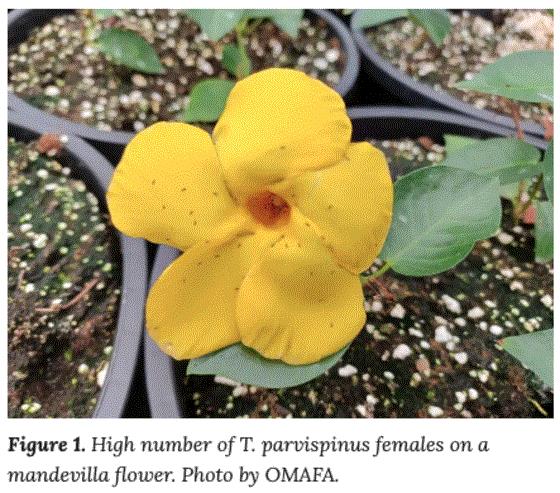
Some of my favorites include Alerts from the e-GRO team, Grow Pro videos from the researchers affiliated with AFE, and the blog from ONfloriculture/OMAFRA. Of course, I’m also a big fan (albeit VERY biased) of GrowerTalks articles and videos and podcasts from Ball Seed technical services and Tech On Demand. But there are also daily emails and social posts covering crop culture and technical research from most of the key breeding companies in our industry, as well as from crop protection companies, growing media producers, structures and controls companies and more. Not to mention research coming out of our major universities and independent labs. It’s really tough to stay on top of what’s being created to help all of you produce amazing plants, but I try to pick out the best info to share each week.
Surely, I miss as much as I see so thanks to all of you who forward me things and call attention to the amazing work that’s being done across our industry to educate and inform. Please don’t hesitate to reach out if there’s new research or finding I should cover in the newsletter. As I mentioned last week, my New Year’s Resolution is to “pay attention,” which means I’ll strive to be even better at finding the good info to share in 2026.

Finish Line ...
It’s New Year’s Eve as I write this and there’s a lot of snow outside my office window. My wife just headed to the grocery store to stock up on provisions for a family gathering this evening where we’ll play board games in front of a warm fireplace and pretend we care about staying up until midnight watching bands we’ve never heard of ring in the New Year with songs we don’t really like. Tomorrow, we’ll wake up and flip the calendar to January and proclaim “NEW YEAR NEW ME” with the rest of the world. But in reality, it’s just going to be another day that’s a lot like the previous 365—which is honestly just fine with me—the past 365 were pretty good!
I guess the point of all this (the previous 1,941 words) is that what I try to cover in the Tech On Demand newsletter each week is sort of a pulse of the professional greenhouse industry as it relates to modern crop production. I’m not a grower and never have been, so I rely on experts across our industry who work day in and day out doing research, consulting with growers and developing products to take our industry into the future. The future will look different than the past and this newsletter will continue to evolve the same way. I’m looking forward to a fantastic 2026, and I hope you’ll come a long for the ride. Who knows what we will face over the next 12 months, but what I do know is that you’ll see this newsletter in your inbox each Friday and I’ll have fun writing it.
Happy New Year! I’ll talk to you next week.


Please feel free to send your comments, constructive criticism and topic ideas to me at bcalkins@ballhort.com.

Bill Calkins
Editor - Tech On Demand
This email was received by you and 25,445 other fine subscribers!
If you're interested in advertising in Tech On Demand, contact Kim Brown ASAP and she'll hook you up.