March Farm Update
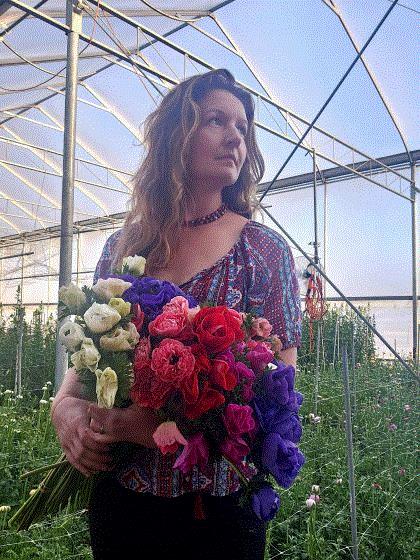
The first of many armloads of anemone for the season.
Welcome to March! I feel like I’m getting ready to mount the starting block and blast into peak season. That may sound silly, but last week we finished planting our Mother’s Day crops and now we’re starting foxglove, rudbeckia, delphinium and yarrow for outdoor plantings. I also looked at my notes from last season and had to remind myself that we start taking chrysanthemum cuttings in March. The days are getting longer and it’s a tremendous morale boost. Tater’s ranunculus are top-tier quality and the florists love them. I am grateful that we have an exceptional offering of them this early in the year. We’re waiting for the anemone to catch up.
I’ve been troubleshooting heaters all winter—an important skill to have (especially in northern climates)—but it makes my heart stop every time one doesn’t work. It always seems to happen on the nights when temperatures are well below freezing. Last week, I learned how to adjust the igniter on one of our ADP heaters since it couldn’t arc correctly to generate enough spark to ignite the gas. Who would have known? I feel like the more years you run a greenhouse, the more this becomes second nature. I’ve been farming for nine years and there’s still a ton to learn. Winter has been rough and I’m ready to move on.
We’re wrapping up soil steaming for the year. We descaled our boiler and that was a unique challenge. I will talk about that in a future edition of Bloom Beat—I’m still a little salty about it ...
This winter has been full of challenges. Temperature fluctuations have been crazy all winter and it seems like March will not be an exception. We will see highs in the upper 60s this weekend, then the high temperature next Wednesday will be in the 30s. It’s a rollercoaster for the plants—and the people who care for them!
Still, I’m grateful for the abundance of ranunculus and snapdragons we’ve been harvesting in spite of all the drama. It reminds me of how resilient the flowers are.
In this edition of Bloom Beat we’re talking about marketing to Gen Z, insurance audits and more. With all that being said, let’s talk shop!

The Floral Marketing Fund Research on Gen Z

Researchers at Colorado State University recently surveyed more than 2,000 US consumers between the ages of 18 and 28 (Gen Z) to better understand what motivates their floral purchases and preferences. Below are the highlights from this Floral Marketing Fund study.
- Social media plays a role in floral discovery, and the digital world influences their perception of floral trendiness.
- This generation still values retail interactions at a physical location. Touching, smelling and experiencing flowers and friendly staff are important.
- This generation moves seamlessly between digital inspiration and in-person purchasing. Your retail strategy should reflect both.
- Respondents had positive emotional associations with giving and receiving flowers. The experience of flowers fosters emotional connections and relationship building.
- Transparent production practices and recyclable packaging resonates with this cohort of consumers.
- Packaging and customization enhances perceived value. Thoughtful, environmentally conscious design increases appeal.
This is a touch surprising to me in the best way! To be honest, I thought most young people dread making their own doctor’s appointments over the phone. It’s refreshing that they do want to engage with real people in a retail environment. That’s why marketing research pays dividends when done correctly.
Thank you CAL Flowers, The Floral Marketing Fund and FTD for funding this project. For more information, click
HERE. One of the researchers, Dr. Kaigang Li, is hosting a webinar on May 13 to showcase their findings. Click
HERE to register for the webinar. You can also purchase this report
HERE.

Aazur Ranunculus Review

Pink Stripe is a crowd pleaser. It's one of my favorites in the Aazar series.
Last fall, Tater and I received Aazar ranunculus plugs from our friends at
Express Seed Company. We planted the following colors in the series: Antique Rose, Peach, Pink Stripe and Red Baron. We received them Week 44 and they started flowering the last half of February. We use Hortonova netting for spacing and planted two plugs per square. We treated them like our normal ranunculus corms and they performed well.
This is my second time growing this series. The stems are thicker and heartier than the La Belle and Amadine series. There are pros and cons for this. Florists using them in wedding bouquets and statement pieces like the heftier appearance. But they are challenging to use for detail work such as boutonnieres and corsages. Vase life is the same as our corm ranunculus. Tater and I enjoy the diverse color range Aazur has to offer. Pink Stripe and Peach are tied for being my favorite colors in this series. Unfortunately, Peach was selling so fast this year I didn’t get a new photo! But trust me, they are better than the catalog photo implies.
 Red Baron blooms are huge, with thick, robust stems.
I see great potential for the Aazur series for Valentine’s Day production—Red Baron in particular was a great addition to the holiday lineup. In fact, I was surprised the red finished in time for Valentine’s Day. The other colors flowered shortly after V'Day.
Every fall I sit on pins and needles, anxiously awaiting our new corms to ship. The Valentine’s Day ranunculus need to be sown in early September and sometimes we can’t get our new corms until the middle of September. That delay can really decrease our changes of having ranunculus in time for the holiday. I ordered Aazur plugs in the past for August planting, and plug producers had trouble growing ranunculus plugs in the heat of summer, even in California.
Thank you to our friends at Express Seed for the samples. Tater and I enjoy a good science experiment. We are more than happy to trial any and all new cut flowers. If you need a Michigan trial site, click
HERE to drop us a line.

Insurance Audit Reminder
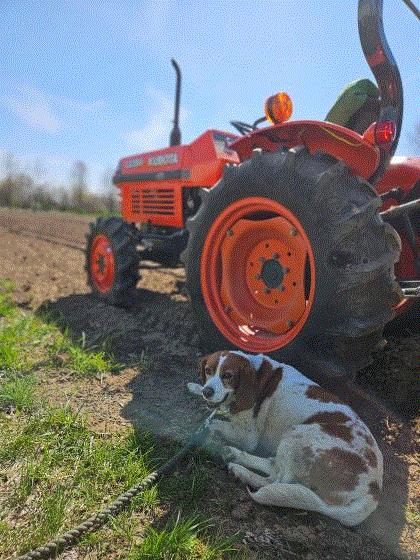
This is Tater's yearly reminder to complete your insurance audit.
March is the calm before the flower-farming storm. Farm activities really start to ramp up this month and we all start sprinting into peak season.
But before you head off to the races, it’s important to audit your farm insurance policy, especially if you plan on expanding into different sales outlets. The goal is to make sure your insurance policy has the coverage you need for the realities of your farm. It’s bad news bears if your think your insurance covers you and then find out that it doesn’t. So save yourself some heartbreak and sit down with your insurance company.
If you have already conducted your annual insurance audit, skip this. Tater and I did ours at the end of last month. But if you are just getting into this, or have never had one done, please read on to learn more—it's never too late! Below are some key points to consider when assessing your insurance needs for this season.
- Make sure buildings, greenhouses and high tunnels are insured at replacement value. The cost of building materials has increased, so make sure your policy matches those increases.
- Update your farm equipment inventory, making sure new assets purchased last years are listed on the inventory. Once again, check replacement values.
- Review your vehicle policy. Make sure you add new drivers to your policy and remove old ones.
- Look at your liability coverage—this is especially important if you are hosting farm events. Talk to your insurance agent at length about this, especially if you are having festivals and events where foot traffic is higher than normal.
- Update your workman’s compensation policy if you are adding a lot more staff this season. This will save you penalties during your next audit.
For more information, check out these articles from the
University of Wisconsin and
Iowa State. If you are an urban farm, this
LINK from the University of Maryland Extension may prove to be especially helpful.
Cornell University also has a great breakdown of the different kinds of insurance policies if you need a primer.
Moral of the story: As a farm owner and/or manager, it is up to you to make sure your insurance policy meets your needs. If you’ve experienced growth over the last year or more, it’s even more critical to make sure you are adequately protected. I encourage you to sit down with your insurance agent and get into the nitty gritty of your policy. It’ll give you peace of mind and save you grief down the road.

Bill Doran Company Travel Grant

Tater and I saw an exciting press release this week from our friends at American Floral Endowment. The Bill Doran Company Wholesale Travel Grant was created in 2025 to help offset the cost of attending industry conferences and educational programs. Each year, one recipient will be selected to cover half of their travel and conference costs—the award is up to $2,000. Applicants must be working in the wholesale floral sector and preference is given to first-time conference attendees.
Bill LaFever states,” Education and collaboration have always been essential to the progress of our industry. By supporting travel to meaningful learning opportunities, we hope to help wholesalers expand their knowledge, strengthen their networks and bring valuable insights back to their teams. This fund represents our ongoing commitment to investing in the people who keep our industry thriving.”
The Bill Doran Company is a U.S.-based flower wholesaler founded by the LaFever family in 1945. Bill and Chris LaFever are leading the company and generously created this fund.
Interested? Applications are due October 1. Click
HERE for more information.

Stay Warm!
Lindsay Daschner (and Tater)
Editor-at-Large—Bloom Beat
Owner—Forget-Me-Not Farms
This email was received by 6,195 of your fellow fresh-cut flower growers!
If you're interested in advertising in Bloom Beat, contact Kim Brown and she will hook you up!